
Stacking uses vertical space, but it can also make belongings harder to reach. If you must unbuild a tower to retrieve the bottom container, frequently used items will migrate to the floor. The right bin type depends on whether the contents need dust protection, front access or quick visibility.
This researched comparison looks at three distinct systems rather than declaring one plastic box best for every room. We used current manufacturer information and evaluated footprint, access and stability. Always confirm the exact model because brands often sell similar-looking sizes with different lids and stacking compatibility.
How We Compared Stackable Storage Bins
We compared current manufacturer dimensions, access style, stack configuration and published use information for storage bins. We did not rank by star ratings or temporary sale prices. In a small home, a stack is useful only when the intended item remains reachable, the base is stable and the combined height and load remain within the manufacturer’s instructions.
- Published exterior dimensions and capacity
- How containers register or latch when stacked
- Access while stacked and visibility of contents
- Material care and suitability for the intended contents
- Need for anchoring, weight limits or a stable shelving surface
Comparison at a Glance
| Option | Best for | Key specification | Main trade-off |
|---|---|---|---|
| IRIS USA Stack & Pull 32-Quart Box | protected seasonal and closet storage | 18.75 L × 14.38 W × 10.5 H inches | bottom boxes are inaccessible without unstacking |
| IRIS USA Stackable Open-Front Shelf Bin | frequently used small supplies | XS, S and M options; medium listed at 11 L × 6 W × 5 H inches | open fronts do not protect from dust or spills |
| The Container Store Like-it Modular Drawers | daily clothing and enclosed shelf access | Modular drawer system offered in multiple compatible sizes | requires front clearance and exact size matching |
Our Researched Picks
1. IRIS USA Stack & Pull 32-Quart Box: protected seasonal and closet storage
IRIS lists buckle latches, a built-in handle and a stackable design. The clear body makes contents visible while a lid protects textiles or household supplies from ordinary dust. The thirty-two-quart size is manageable for a closet shelf without becoming an enormous, dangerously heavy tote.
Lidded boxes work best for occasional items. Keep the heaviest box on the lowest stable surface and avoid stacking higher than the manufacturer or shelving setup safely supports. Exterior dimensions must fit through the closet opening, not merely across the shelf.
2. IRIS USA Stackable Open-Front Shelf Bin: frequently used small supplies
The U-shaped opening allows access without removing upper bins, making the format useful for craft, office or hardware supplies used often. IRIS lists multiple sizes and a rear lip that can also work with compatible hanging systems.
Open bins invite overfilling and are unsuitable for hazardous, valuable or moisture-sensitive contents unless the location provides other protection. Small parts must remain secured from children and pets. Confirm that stacked bins register firmly before loading them.
3. The Container Store Like-it Modular Drawers: daily clothing and enclosed shelf access
A drawer provides access to lower levels without dismantling the stack. This format suits socks, accessories or frequently used supplies in a closet with enough front clearance. Modular sizes can use vertical space more predictably than unrelated bins balanced together.
Drawer units need a level surface and clearance for the drawer to open fully. Mixing product generations or sizes may reduce compatibility, so confirm the exact current system. Tall freestanding arrangements may require restraint or placement inside stable furniture, especially in homes with children.
Measure the Stack and the Access Space
Measure the shelf, opening and retrieval path before choosing a container. Include handles, lids and the space required for a drawer or front flap.
- Record usable shelf width, depth and vertical clearance.
- Check the narrowest door or closet opening on the route.
- List which items need daily, weekly or seasonal access.
- Estimate the filled weight and keep heavy contents in smaller, lower containers.
- Confirm that every bin in a stack is designed to register with the others.
Use and Safety Notes
Stack only on a level, stable surface and follow manufacturer limits. Do not create a freestanding tower that can be climbed or pulled over.
CPSC recommends anchoring furniture that presents a tip-over risk. Storage bins do not make unstable shelving safe; address the furniture and wall connection as appropriate.
Keep chemicals, medicines, sharp tools and choking hazards secured regardless of how neat the container looks. Do not use household storage bins for food unless the manufacturer identifies the exact product as food-safe.
Frequently Asked Questions
Are clear bins always better?
They improve identification, but light-sensitive contents may need opaque storage. Clear walls also do not replace labels when several family members use the system.
How high can I stack bins?
Use the manufacturer’s guidance and the stability of the shelf or enclosure. Keep heavy items low and avoid any height that requires climbing on furniture to retrieve a bin.
Should every bin match?
Only bins that physically stack together need compatibility. Matching every container visually can be expensive and unnecessary; prioritize safe fit, access and the right size for each category.
Sources
- IRIS USA Stack & Pull 32-Quart Box — official product information
- IRIS USA Stackable Open-Front Shelf Bin — official product information
- The Container Store Like-it Modular Drawers — official product information
Calculate Usable Access, Not Just Stack Height
These are illustrative shelf examples, not a measured product test. Record the shelf’s clear height and depth, the maker’s assembled bin height including lid or feet, and the space needed to pull a drawer or lift a lid. Do not assume two bins fit just because twice the container height is less than the shelf opening.
- Daily use: if the bottom box must be freed by lifting two upper boxes, its contents are not conveniently accessible. Put daily items in a drawer or open-front bin only where forward access is clear.
- Seasonal use: a lidded stack may protect contents and make better use of a high shelf, provided you can safely retrieve each loaded box without climbing on furniture.
- Mixed contents: do not fill a large upper bin with heavy books just because the plastic has unused volume. Check the maker’s stacking limits and keep heavier items lower.
No-buy comparison: try the proposed arrangement with empty boxes for a week. If retrieving a lower category requires rebuilding the stack repeatedly, change access style before buying matching bins. A stable shelf and clear walkway matter more than a uniform look.
Related Guides
- What belongs in under-bed storage helps place infrequently used categories.
- Declutter a closet by section reduces volume before buying containers.
You Might Also Love
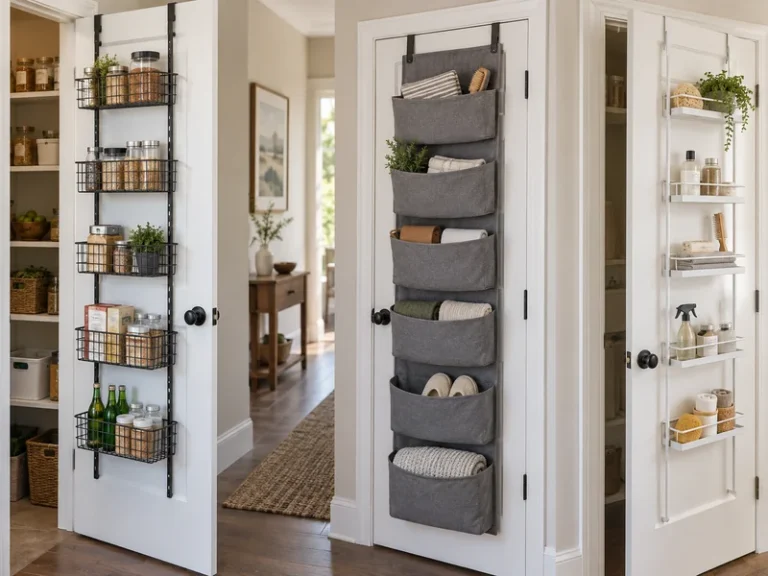
Best Over-the-Door Organizers: What to Check Before Buying
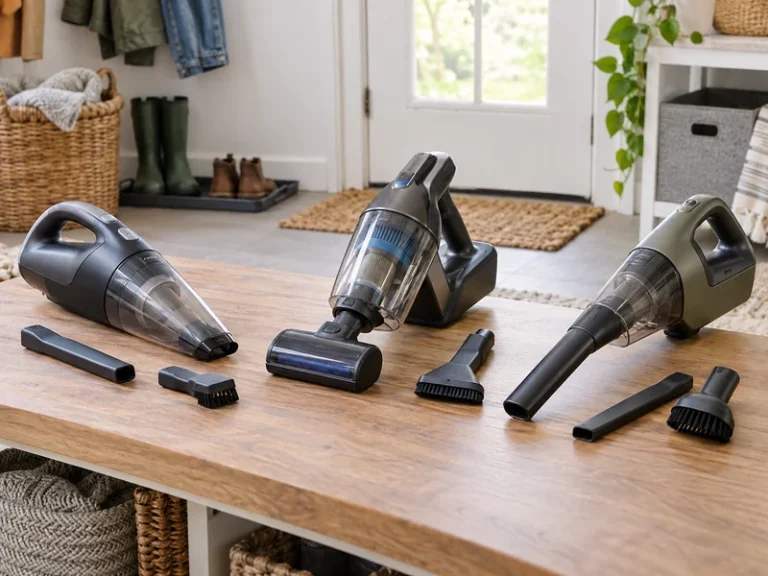
Best Cordless Handheld Vacuums for Everyday Messes: A Researched Comparison
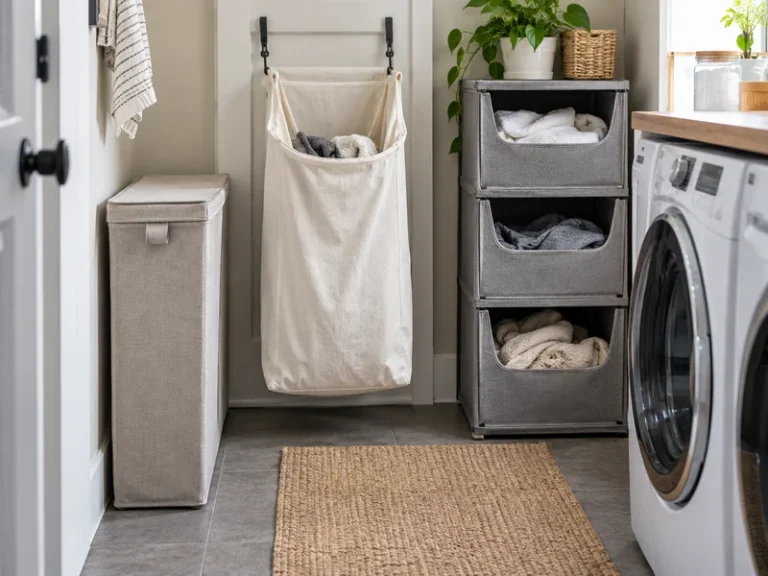
Best Slim Laundry Hampers for Tight Spaces: A Researched Comparison
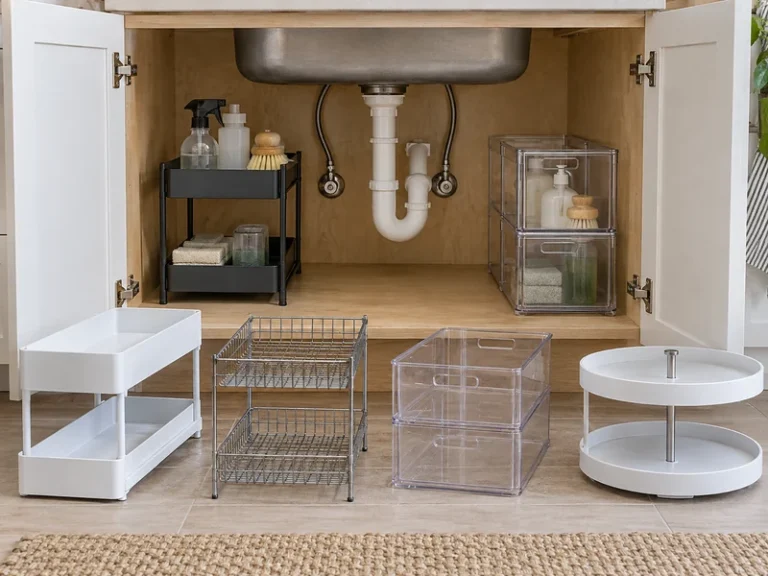
Best Under-Sink Organizers for Small Kitchens: A Researched Comparison

How to Keep Pipes From Freezing: 7 Checks Before a Cold Snap
via Yesil Rehber